
Extend the Life of Your Mesquite Wood Fence With Professional Staining
Professional fence staining and sealing for wood fences across Mesquite and East Dallas, protecting cedar and pine from North Texas UV, humidity, and the seasonal wear that shortens fence life by years.
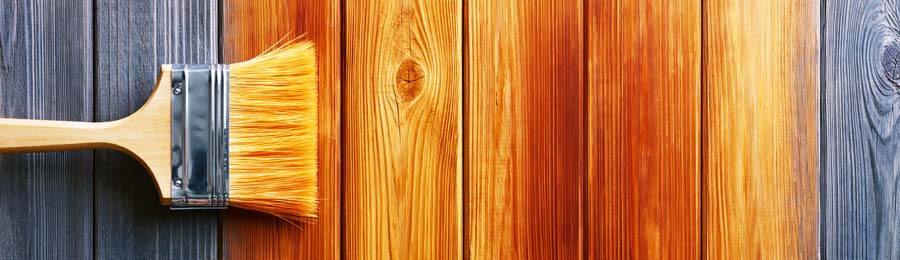
What Happens to an Unstained Cedar Fence in the Texas Climate
A new cedar fence looks good the day it’s installed. Within a year or two without protective treatment, the surface begins to grey — that silver weathering color often mistaken for natural aging when it’s actually UV degradation and moisture cycling breaking down the wood fibers at the surface. By year four or five without treatment, the wood is checking, the grain is opening, and moisture is penetrating in ways that significantly accelerate the rot process. A cedar fence that could last 18 to 20 years with proper treatment often reaches end-of-life in 10 to 12 years without it.
In North Texas — where summer UV intensity is high, rainfall is seasonal and sometimes severe, and fence boards go through significant temperature cycles across the year — the case for regular staining or sealing is straightforward. It’s the difference between a fence that reaches its full lifespan and one that doesn’t.
New Fences: The Timing Most Homeowners Get Wrong
The most common staining mistake on a new fence is applying treatment too early. New pressure-treated lumber and green cedar retain moisture from the treatment and milling process. Stain applied before the wood has fully dried sits on the surface rather than penetrating the grain — producing a finish that peels within a year instead of a treatment that lasts two to three.
The correct window for a new fence is 30 to 60 days after installation. That curing period allows the lumber to reach the moisture content where stain penetrates and bonds with the wood itself rather than the surface layer.
Timing, Frequency and the North Texas Staining Window
The Difference Between Staining, Sealing and Painting a Wood Fence
The three treatment options for a wood fence work differently and serve different purposes. Understanding which one applies to your fence saves money and avoids the prep work that comes from choosing the wrong product for the situation.
Stain
Stain penetrates the wood fibers and adds color while providing protection against moisture and UV exposure. Semi-transparent stains allow the wood grain to show through while shifting the color; solid stains cover the grain more fully. For most residential wood fences in Mesquite, a semi-transparent stain with built-in UV protection and water repellency is the most practical choice — it protects the wood, works with the natural cedar appearance, and is easier to recoat on a regular maintenance schedule than solid stain or paint.
Sealer
Sealer creates a surface barrier that blocks moisture penetration without significantly changing the color of the wood. It’s most often used on new fences where the homeowner wants to maintain a natural cedar look, or as an additional layer applied over a compatible stain. A sealer without UV-protective properties addresses moisture but not the sun-driven degradation that is the primary enemy of wood fences in North Texas. Reading the product label for UV protection before selecting a sealer-only approach is worth the extra minute.
Paint
Paint creates an opaque surface layer that blocks UV and moisture but does not penetrate the wood grain the way stain does. It lasts longer between recoats in ideal conditions but is significantly more difficult to maintain over time — a painted fence that begins peeling requires stripping before it can be properly repainted, which is labor-intensive across a full fence run. For most residential applications in Mesquite, stain is the more practical long-term choice.
The Prep Work That Makes a Stain Job Last
Surface preparation determines how long the treatment holds. A fence that isn’t properly cleaned before staining gets a product that sits on top of accumulated dirt, mildew, and weathered wood fiber rather than penetrating the wood itself. Proper prep includes cleaning the fence surface and allowing it to dry fully before any product is applied. Pressure washing at low pressure is effective for established fences with surface mildew or grey weathering; new fences typically need only a light cleaning.
Skipping prep is the most common reason a stain job that looks good at year one looks poor at year two.
The Seasonal Window in North Texas
Spring and fall are the optimal seasons for fence staining in North Texas. Temperatures between 50 and 90 degrees Fahrenheit allow stain to penetrate and cure properly. Summer staining is possible but requires working early in the morning — stain applied to hot wood in direct afternoon sun dries too quickly on the surface before it penetrates, producing uneven coverage and a shorter service life.
The signs that a fence is ready for re-staining: water no longer beads on the wood surface after rain, visible fading has occurred, and grey or silver weathering is appearing on the board faces. Most North Texas wood fences hit these markers every two to three years.
Wood fence installation is available for fences that have moved beyond what staining can address. Fence repair and staining are often the right combination for a fence that has isolated damage alongside general weathering — repair the structure, then protect what’s left.
Every fence staining estimate is free and covers the full fence before scope or price is confirmed.
Common Questions About Fence Staining in Mesquite
How often should a wood fence be stained in Texas?
Most wood fences in North Texas benefit from staining every two to three years. The intensity of the Texas UV exposure, combined with seasonal humidity swings and occasional severe weather, breaks down stain faster than in milder climates. The practical test is simpler than a calendar: hold a garden hose on the fence boards. If water beads on the surface, the existing treatment is still working. If the water absorbs into the wood quickly, the fence is ready for another coat. Visible graying and fading are the other indicators that the treatment cycle is due.
What is the difference between stain and sealer?
Stain penetrates the wood and adds color while providing moisture and UV protection — the color comes from pigments in the stain that also reflect or absorb UV energy. Sealer creates a clear or near-clear barrier on the wood surface that blocks moisture penetration without significantly changing the appearance. Many products marketed as fence stains combine both functions: a semi-transparent pigmented stain with water-repellent properties is the most common all-in-one option for residential wood fences. A sealer-only product without UV-protective properties addresses moisture but not the sun damage that grays and dries fence boards in the Texas climate.
How long after installation should I wait to stain a new fence?
The standard recommendation is 30 to 60 days. New pressure-treated lumber and freshly milled cedar contain moisture that needs to escape before stain can penetrate properly. Applying stain too early results in surface-level coverage that peels as the wood continues to dry beneath it rather than a treatment that has bonded with the wood grain. Some manufacturers specify a shorter or longer curing period depending on the product — checking the application instructions for the specific stain being used is the right approach. When in doubt, waiting closer to 60 days produces better results than rushing at 30.
Can a fence be stained if it has already been painted?
Not directly. Stain is designed to penetrate bare or previously stained wood; it will not penetrate a painted surface and will not bond properly to peeling paint. A fence that has been painted has two practical options: repaint it with a compatible exterior paint product, or strip the paint through sanding or chemical stripping before applying stain. Stripping paint from a full fence run is labor-intensive and in most cases more expensive than continuing to maintain the fence with paint. If the painted fence is otherwise in good condition, repainting is typically the more practical path.
When is the best time of year to stain a fence in North Texas?
Spring and fall are the ideal windows. Temperatures between 50 and 90 degrees Fahrenheit with moderate humidity allow stain to penetrate the wood grain and cure at the rate the manufacturer intended. Summer staining in North Texas is workable but requires scheduling in the early morning hours before surfaces heat up — stain applied to hot boards in direct afternoon sun flashes off the surface before it can penetrate, producing uneven coverage. Winter staining is generally not recommended when temperatures are expected to drop below 50 degrees within 24 hours of application.
Can I stain my fence myself, or is professional application worth it?
DIY staining is possible for homeowners comfortable with the prep work and application process, and the material costs are manageable for most fence sizes. The areas where professional application adds consistent value are surface prep — proper cleaning and drying that most DIY applications underestimate — and even product application across a full fence run, which is more difficult than it looks on longer sections. An uneven DIY application that requires redoing within a year ends up costing more than a professional job that holds for two to three. For new fences where a single well-executed treatment sets the maintenance baseline for years, professional application is worth considering even for homeowners comfortable with DIY work.
How long does professional fence staining last in the North Texas climate?
A professionally applied stain on a properly prepared surface typically holds for two to three years in North Texas conditions before re-treatment is warranted. Products with higher pigment loads and built-in UV inhibitors tend toward the longer end of that range; lighter semi-transparent products may require attention closer to two years. Fences on south and west-facing exposures, which receive the most direct UV, typically need re-staining on a shorter cycle than north-facing sections of the same fence. The water bead test is the most reliable real-world indicator of when a fence has moved from protected to vulnerable, regardless of how long it has been since the last treatment.