
Storm Damage Fence Replacement for Mesquite and East Dallas Homeowners
Fast assessment, written estimates, and full fence replacement for storm-damaged properties across Mesquite, Forney, and East Dallas, with insurance documentation support from the first call.
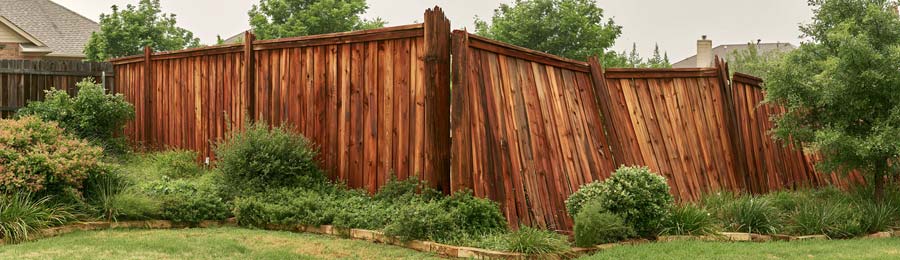
Action Plan: The First Steps After a Storm Damages Your Fence
Document Before You Touch Anything
The single most important action after storm damage is the one most homeowners skip in the urgency of the moment: photograph the damage before making any temporary repairs or moving any debris. Insurance adjusters need to see the damage as the storm left it. Photographs taken before anything is disturbed — the fallen panels, the debris that caused the damage, the post condition at ground level — are the most valuable documentation in the claim process. Once temporary repairs are made or debris is cleared, that evidence is gone.
After documenting, a temporary repair to restore security or containment is reasonable and typically covered under most policies as an emergency protective measure. Keep all receipts for materials purchased.
Repair or Full Replacement: Making the Call After Storm Damage
Storm damage often looks more severe than it is structurally, and it sometimes conceals damage that isn’t visible until the fence line is assessed properly. A professional on-site estimate covers the full fence — not just the sections that went down — and presents both repair and replacement options with pricing before any commitment is required.
Full replacement tends to make more sense when the majority of the fence line was affected, when the posts that failed were already at or near end-of-life before the storm hit, or when the homeowner wants to take the opportunity of an insurance-covered replacement to change the material or configuration. Targeted repair is the right call when damage is limited to specific sections and the posts and remaining structure are sound.
Getting a Written Estimate Promptly
Most insurance carriers require a professional written estimate alongside the damage photographs before processing a fence claim. Getting that estimate early — ideally before or immediately after the adjuster visit — gives the adjuster a reference point and helps ensure the claim reflects the actual cost of repair or replacement at current market rates. We provide written estimates promptly after every on-site visit, in a format that supports the documentation process insurance carriers expect.
A Note on Timing
In the period following a significant storm event across the Mesquite area, demand for fence estimates and replacement work increases sharply. Homeowners who call early in the process — before the adjuster visit rather than after — typically secure faster scheduling for both the estimate and the eventual installation. Waiting until the claim is approved to begin the estimate process adds weeks to the timeline in high-demand periods.
Working With Your Insurance Company on a Fence Claim
Replacement Options and What Holds Up Best in North Texas Storms
What Your Adjuster Will Need
The documentation package most insurance carriers require for a fence claim:
- Photographs of the damage taken immediately after the storm event, before temporary repairs
- A professional written estimate for repair or replacement
- Documentation tying the damage to the specific storm — date, general weather records for the area, and any applicable weather service reports help establish this clearly
- Receipts for emergency temporary repairs made to restore security or containment
Some carriers request a signed statement or additional documentation; the adjuster assigned to the claim will specify anything beyond this standard package.
Choosing a Wind-Resistant Replacement Material
A storm-triggered replacement is an opportunity to assess whether the original material is still the right choice. By wind resistance:
Chain link is the most wind-resistant fence type available — air moves through the fabric rather than pushing against a solid surface, which dramatically reduces the load on posts during high-wind events.
Vinyl privacy panels engineered for storm resistance, with posts set to proper depth in concrete, perform well in most residential storm events. Vinyl panels flex under wind load rather than resisting rigidly, which reduces structural stress at the post connections.
Wood privacy fencing presents the largest solid wind load surface of any common residential fence material. Post depth and concrete setting are the most critical variables — a wood fence with posts set too shallow in Dallas County clay fails in storms that a properly installed fence of the same material would survive.
Wood fence installation and vinyl fence installation both cover North Texas climate performance in more detail for each material.
What the Replacement Process Looks Like
After the estimate is confirmed and the claim is in process, replacement follows the standard installation sequence: old fence removal, post setting in concrete, curing time, and panel or board installation. Getting the estimate early shortens the time between claim approval and completed installation — the scheduling queue fills faster than most homeowners expect in the weeks following a major storm event across the Mesquite area.
Fence repair remains the right option when storm damage is limited to specific sections and the surrounding fence structure is sound.
Every storm damage estimate is free, on-site, and delivered with the written documentation format insurance carriers require.
Common Questions About Storm Damage Fence Replacement in Mesquite
Does homeowner's insurance cover storm damage to a fence?
Most standard homeowner’s insurance policies cover fence damage caused by named storm perils — wind, hail, lightning, and falling trees are the most commonly covered events. Damage from gradual deterioration, rot, or maintenance neglect is generally not covered. Coverage is typically subject to the policy’s deductible, and fence claims are usually paid on either an actual cash value or replacement cost value basis depending on the specific policy. Reading the declarations page and contacting the carrier promptly after the damage occurs is the right first step. Documenting the damage before any temporary repairs are made is the most important action you can take to support the claim.
How do I file an insurance claim for storm damage to my fence?
Begin by photographing the damage thoroughly before touching anything — panels, posts, debris, and any surrounding property that was affected. Then contact your insurance carrier or agent to report the claim and request an adjuster visit. While the claim is open, keep receipts for any emergency temporary repairs made to restore security or containment; most policies will reimburse reasonable emergency repair costs. Getting a professional written estimate before or immediately after the adjuster visit helps ensure the claim reflects current replacement costs in the Mesquite market. The adjuster will specify what additional documentation is needed for your particular claim.
How quickly can a storm-damaged fence be replaced?
Timeline depends on the extent of the damage, material availability, permit requirements if applicable, and how quickly the estimate and claim process moves. Under normal conditions and with materials in stock, a residential fence replacement can often be completed within one to two weeks of the estimate confirmation. Following major storm events that affect a large portion of the Mesquite area, contractor availability and material supply can extend timelines — sometimes significantly. Homeowners who begin the estimate process early, rather than waiting for claim approval, are in a better position to secure earlier scheduling.
Should I repair or replace a storm-damaged fence?
The right answer depends on the scope of damage and the condition of the fence before the storm. Repair is the appropriate path when damage is limited to specific sections, the posts are structurally sound, and the rest of the fence is in reasonable condition. Replacement makes more sense when the majority of the fence line was affected, when the posts that failed were already deteriorating before the storm, or when the fence had reached an age where repair costs would approach the cost of a new installation. A free on-site estimate that covers both options with pricing is the most reliable way to make that call — it removes the guesswork and gives you a clear comparison before any commitment is made.
What documentation does an insurance company need for a fence claim?
The standard documentation package for a fence insurance claim includes photographs of the damage taken before any repairs, a professional written estimate for repair or replacement, and documentation connecting the damage to the storm event — date of the storm, weather service records if available, and any documentation of the storm in the area. Some carriers also request a signed statement from the homeowner describing the damage and the circumstances. The adjuster assigned to the claim will specify anything beyond the standard package. We provide written estimates in a format that meets the documentation standards most carriers request.
What type of fence holds up best in North Texas high winds?
Chain link is the most wind-resistant fence type because air passes through the fabric rather than pushing against a solid surface, which dramatically reduces the structural load on the posts during high-wind events. Among solid privacy fence options, vinyl panels engineered for storm conditions perform better than wood in most residential storm events because they flex under load rather than resisting rigidly. For wood privacy fencing, post depth and concrete setting are the most critical factors — a properly set wood fence performs significantly better in high winds than the same fence with posts set too shallow in Dallas County clay. No fence material is immune to severe storm events, but proper installation depth is the variable that most often determines what survives and what doesn’t.
Can I get a professional estimate before my insurance adjuster comes out?
Yes, and getting the estimate before the adjuster visit is generally the better sequence. A professional written estimate gives your adjuster a current-market cost basis for the claim and helps ensure the settlement reflects actual replacement costs rather than a generic estimate generated without a site visit. It also moves the overall process forward — once the claim is approved, the installation can be scheduled immediately rather than waiting for the estimate to be generated after the fact. We provide written estimates promptly after the on-site visit at no charge, and the estimate can be shared directly with your adjuster or carrier.